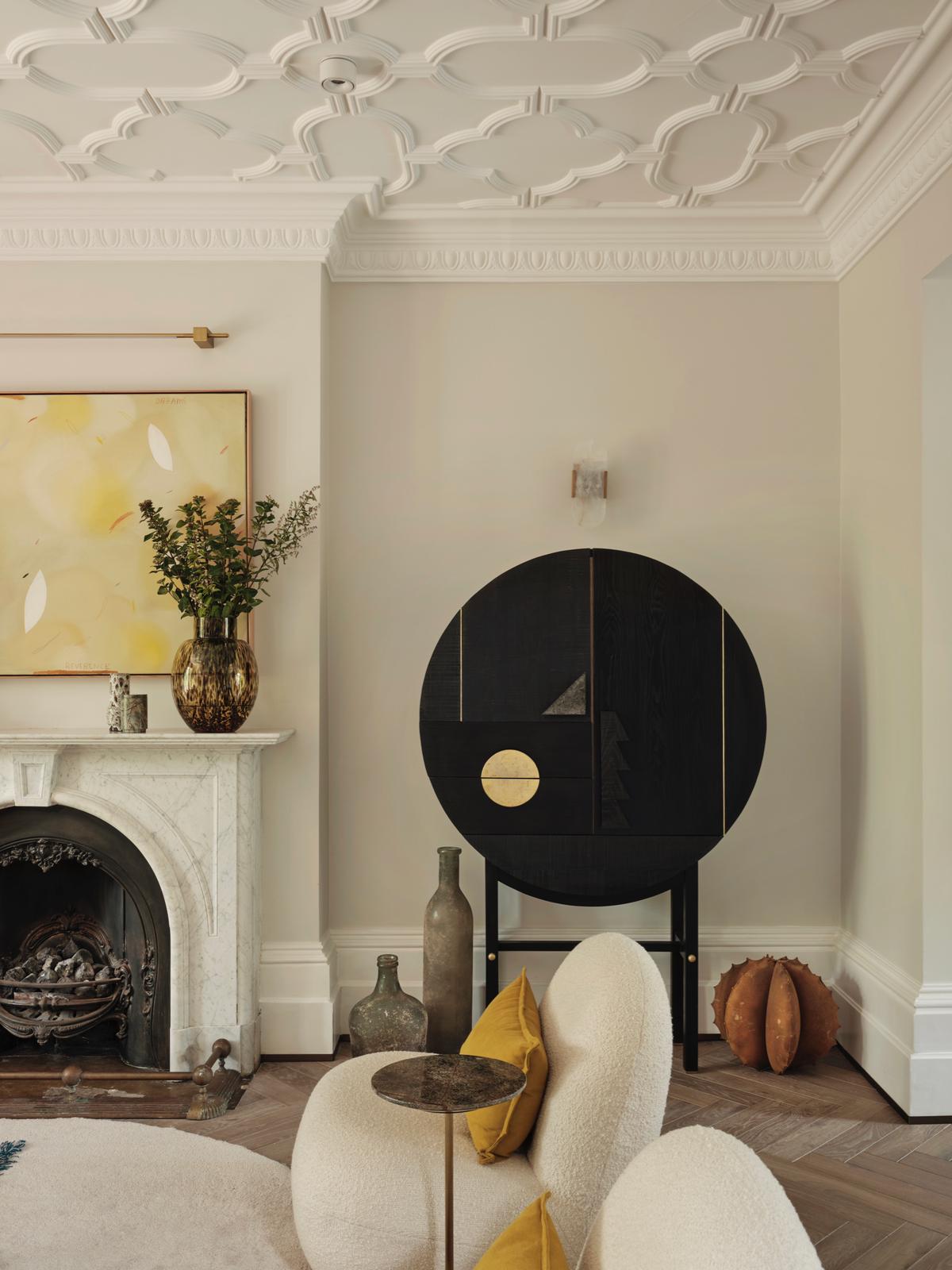
In the world of interior design, there is a rare kind of magic that happens when the distant past meets the cutting edge of the present. While trends come and go, antique Chinese furniture remains a constant symbol of sophistication, offering a perfect architectural balance that feels incredibly at home in today’s minimalist spaces.
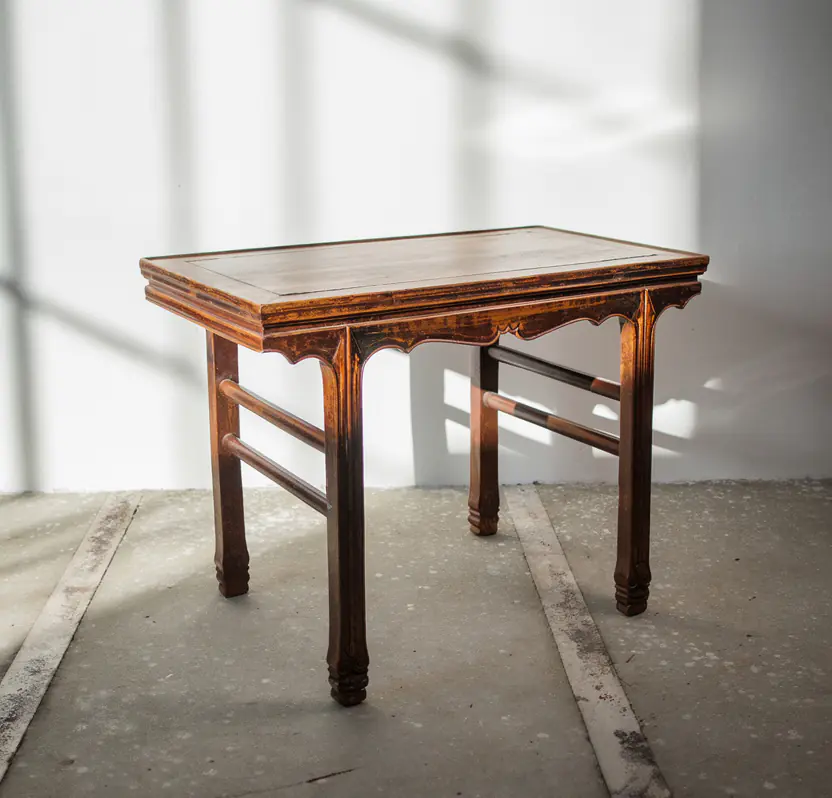
At Square Drop, we believe that a truly modern home needs an anchor—a piece with a soul and a history. With their clean, geometric lines, Chinese masterpieces from the Ming (1368-1644) and Qing Dynasties were “minimalist” centuries before the term even existed.
Whether it’s the deep, warm patina of a lacquer cabinet or the graceful silhouette of a scholar’s chair, these objects do more than just fill a room; they command it.
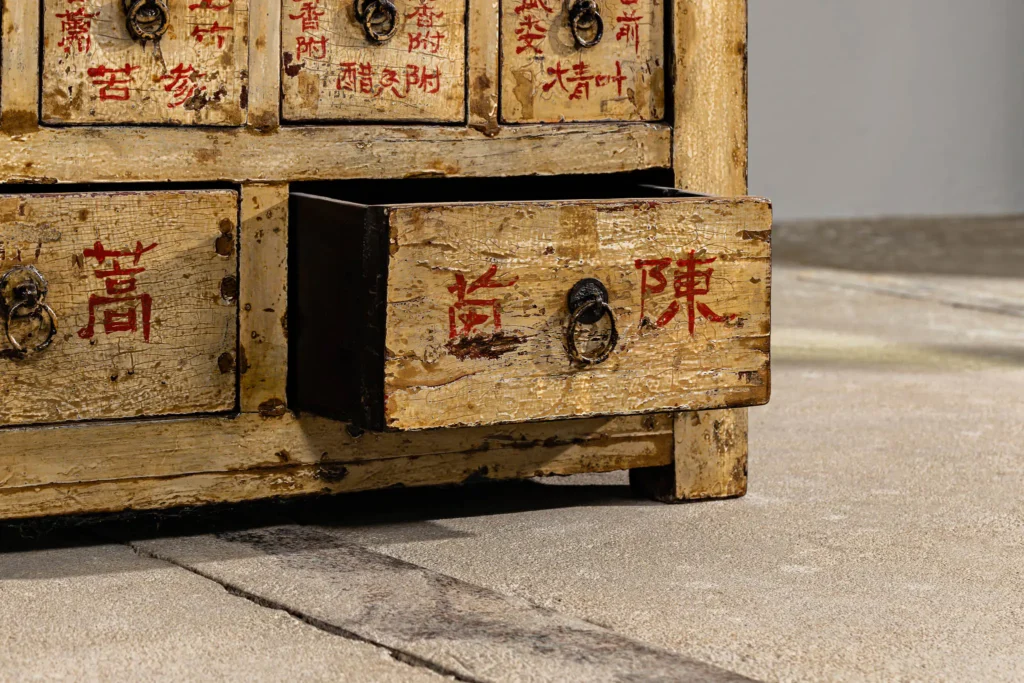

Craftsmanship knows no borders and no expiration date.
It is hard to believe that over 2000 years ago, Chinese masters had already perfected advanced decorative techniques. Lacquering, painting, precision carving, and intricate inlaying were commonplace at a time when, in many other parts of the world, craftsmanship was only in its infancy. In parallel, the art of iron casting flourished—refined techniques such as separate component casting, welding, and metal inlaying allowed for the creation of objects with extraordinary durability and unique character.
These Eastern ‘future antiques’ build a bridge between tradition and contemporary design. They prove that true craftsmanship knows no borders and has no expiration date. By choosing such a piece for your interior, you are not merely purchasing an object—you are inviting a thousand-year-old tradition into your home, one that gains a completely new and fascinating dynamism in a modern setting.



The Evolution of Form: From Rigid Rules to the Golden Age of Craft
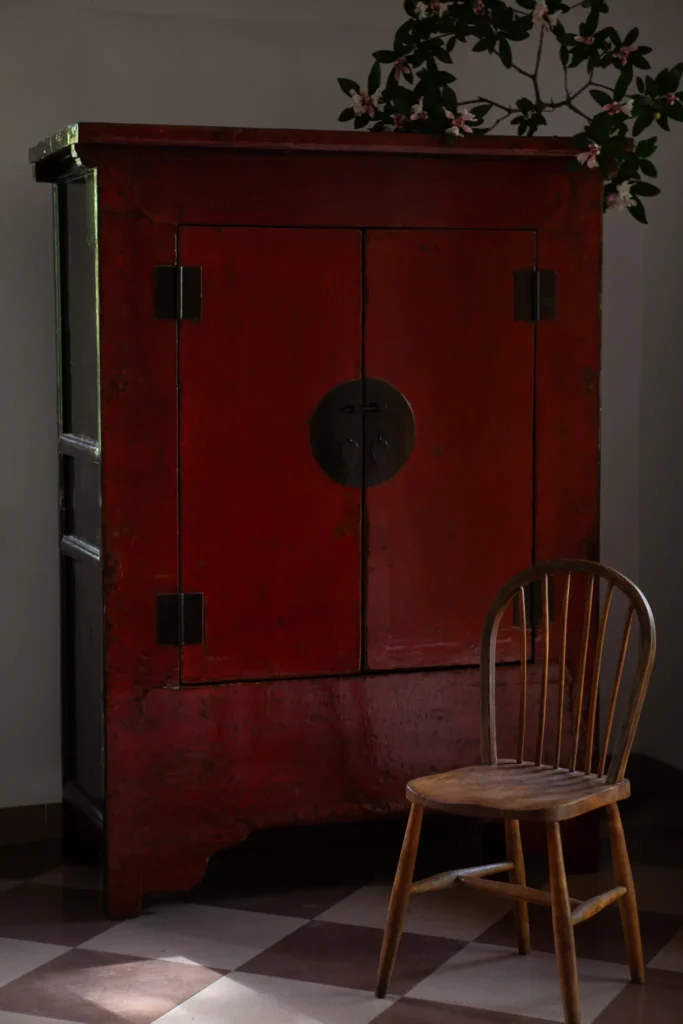
The Tang and Five Dynasties (618-907) represent significant milestone in furniture production. It is considered to be the golden age of Chinese feudal society. New, less rigid patterns became popular and pieces became more elegant. Tall tables and chairs became very popular with the upper classes. Metal fittings were used in that time what increased both strength and decorative potential.
The Song and Yuan Dynasties (1206-1368) were both important stages in the development of Chinese furniture. The habit of sitting on chairs become popular and tall furniture began to be adopted by ordinary families. Pieces became more comfortable and increasingly beautiful. Different types of tables and desks were used for different purposes. Chairs with higher backs and legs emerged. Chair backs were designed to support the weight and suit the curve of the human body. New kinds of chair emerged, such as Taishi Chair (named after an official rank). Furthermore, tables with drawers emerged during Yuan Dynasty. Drawers were one of the important inventions of the period, enhancing the functionality of furniture.
The Pinnacle of Craftsmanship: Ming and Qing Styles
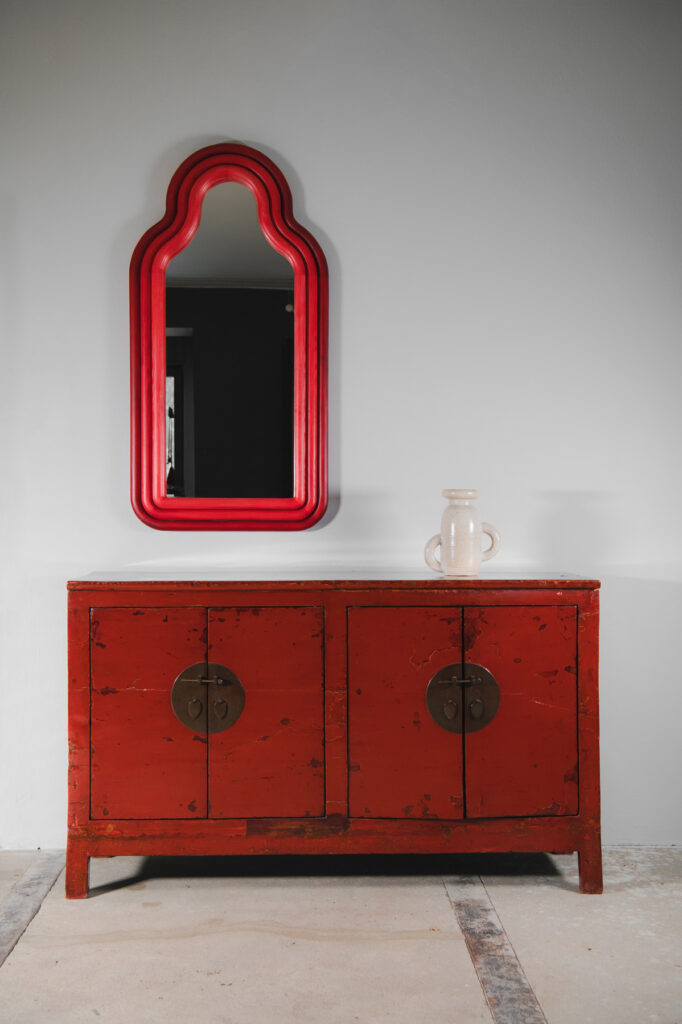
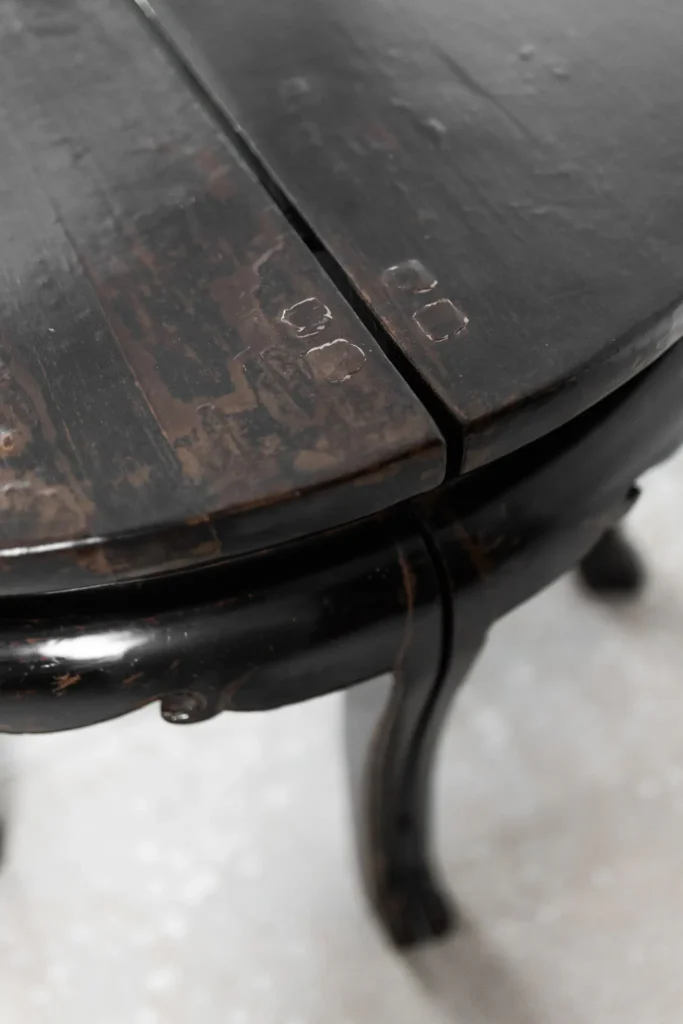
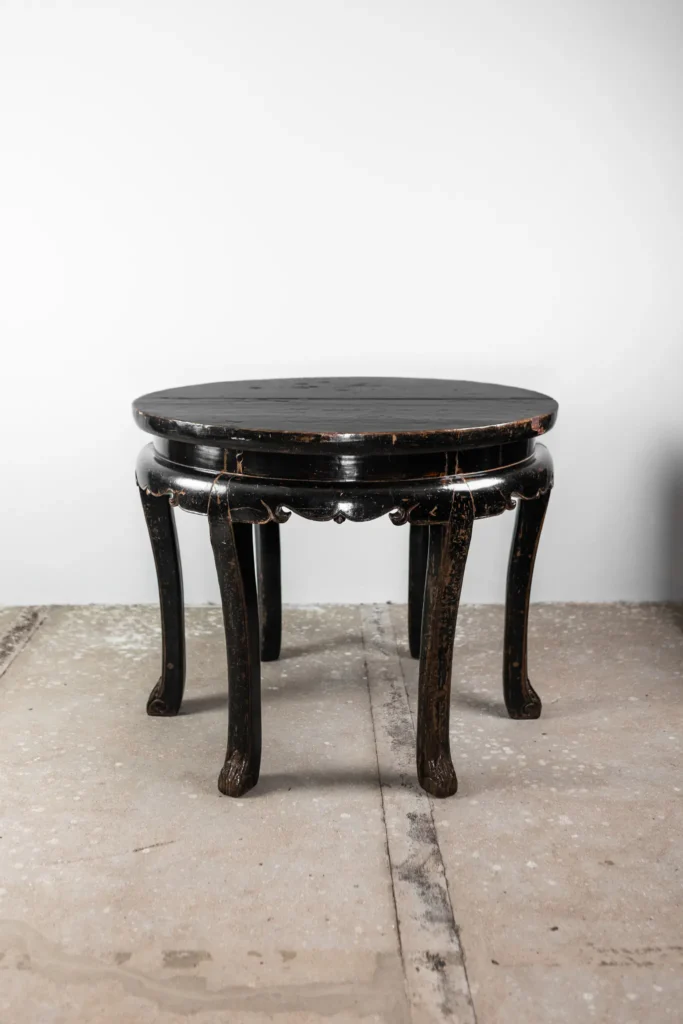
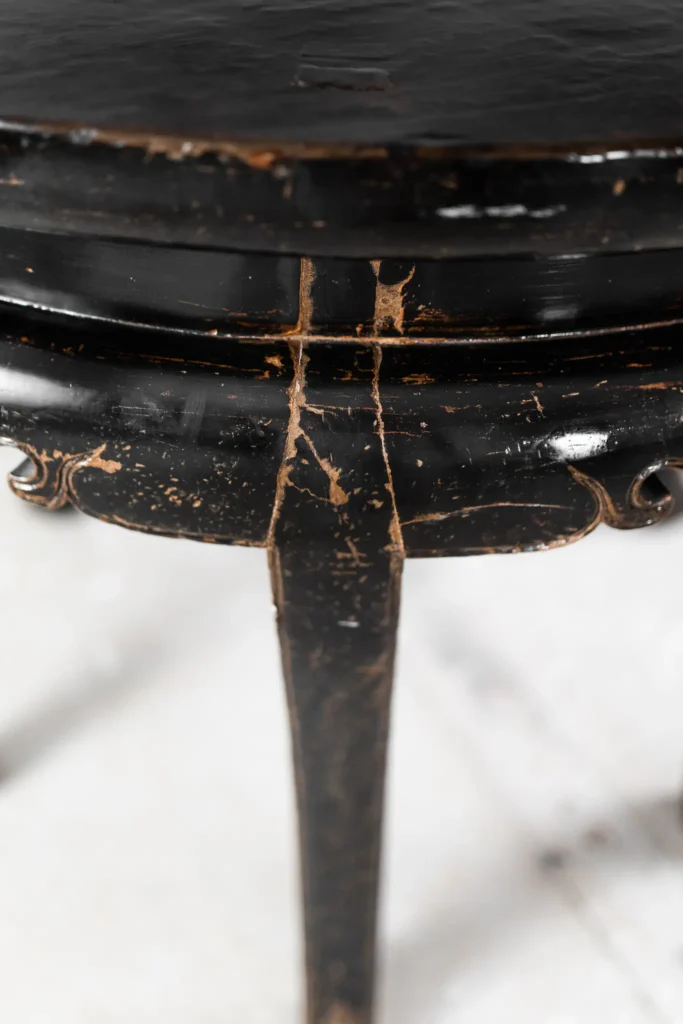
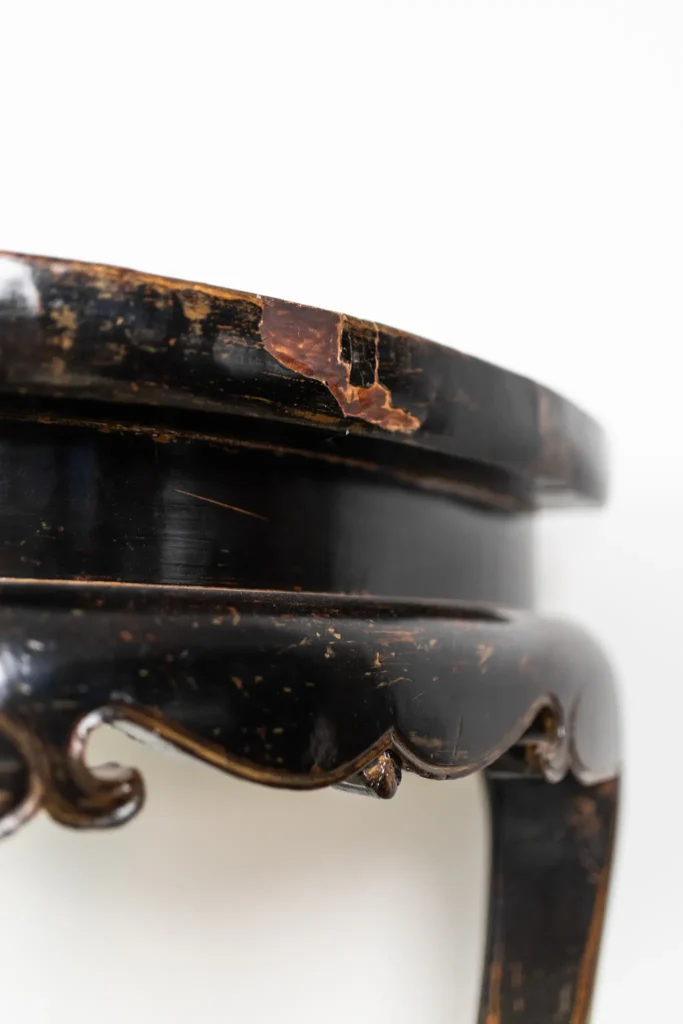
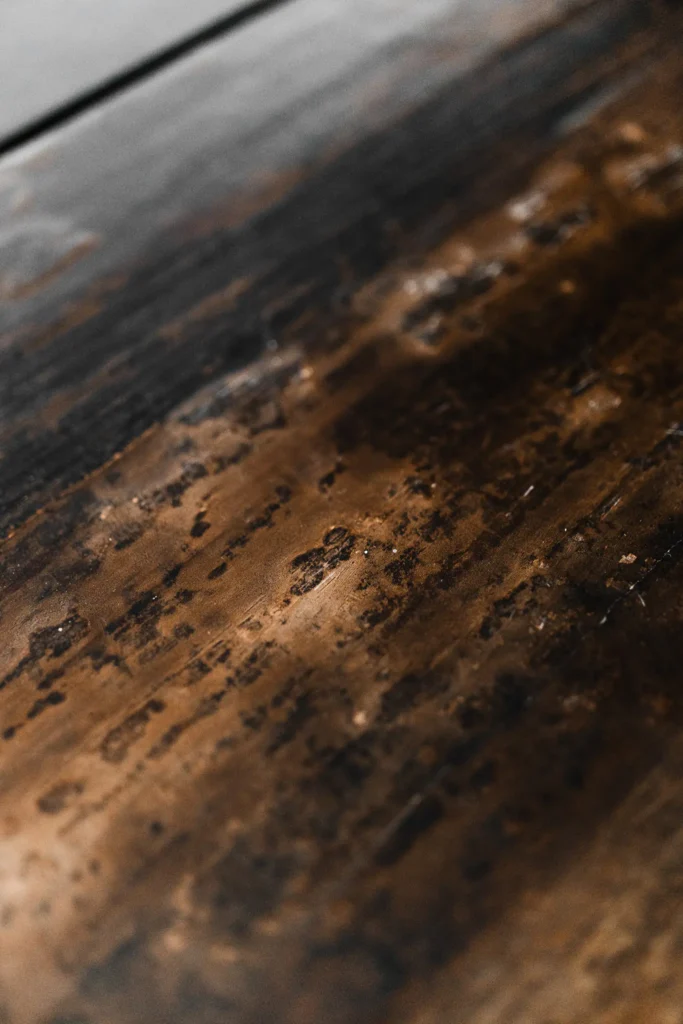
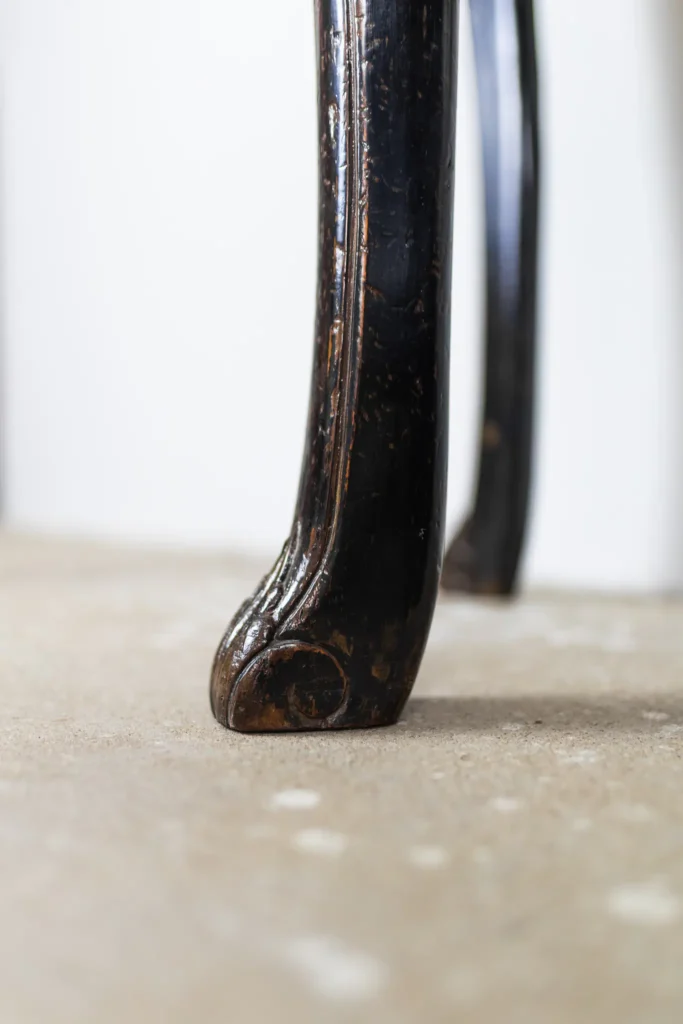
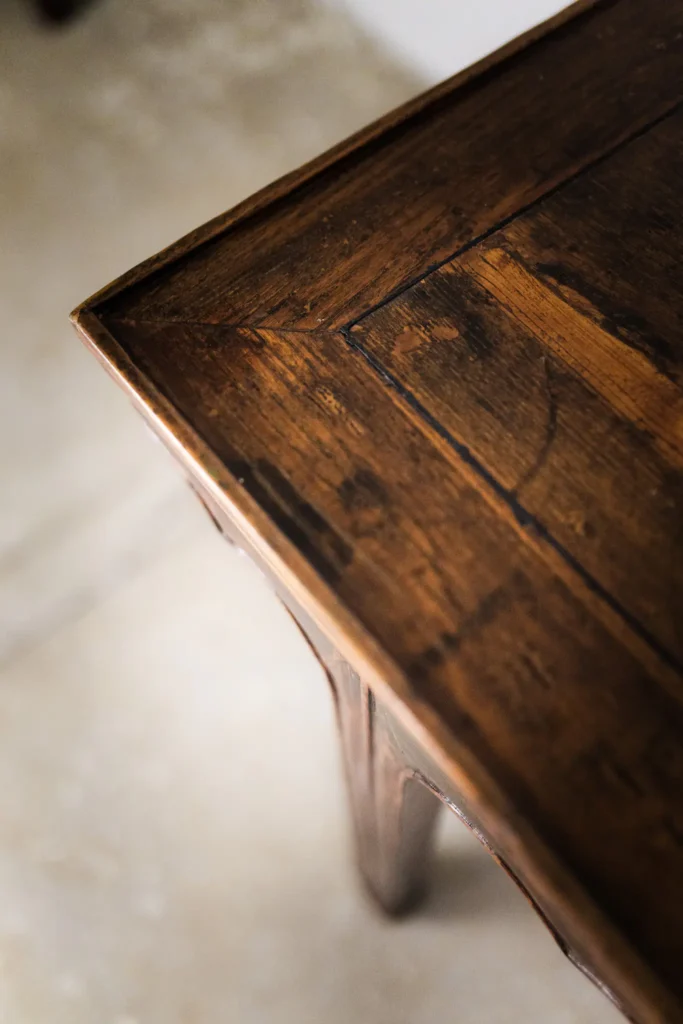
The Ming (1368-1644) and Quing (1644-1911) Dynasties represent the golden age of Chinese furniture. In that time shipping industry emerged and vast quantities of hardwood entered the market. A lot of attention was paid to materials, with fine-grained, high-quality hardwoods giving pieces a beautiful texture.
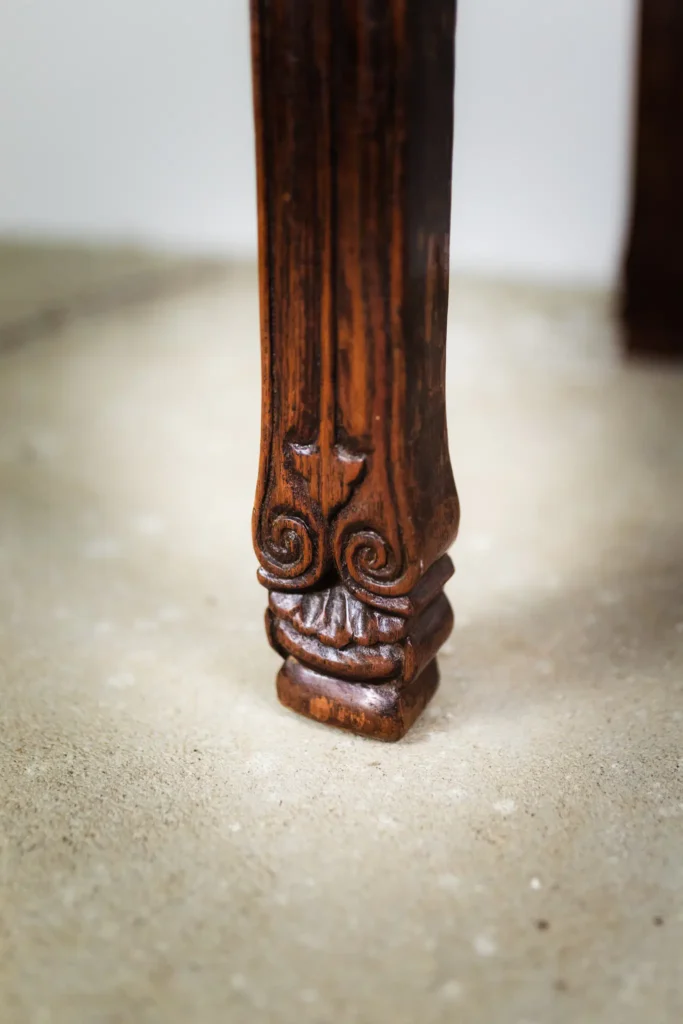
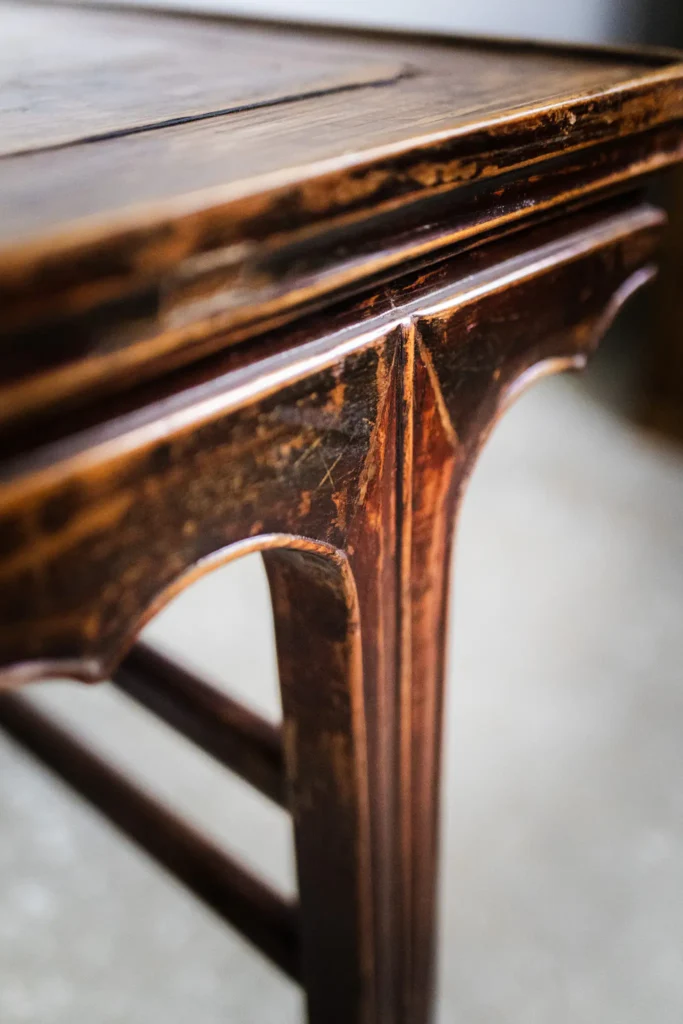
Furniture from the period is characterized by exquisite decoration, a durable quality, and an elegant, classic style. Ming style hardwood furniture tends to be extremely tactile. It was polished using hot wax as opposed to being coated with lacquer. Various decorative techniques, such as carvings, inlay, and drawing, were also employed, and ornamental materials, including enamel, mother-of-pearl, bamboo, ivory, and jade were adopted. Metal hinges, handles, and fasteners gave wooden furniture a hardness to complement the softness of the wood.
Quing-style furniture was almost all larger than the Ming-style furniture and the materials were mostly high-quality. Its shape suggests a preference for magnificence and weight. It was golden age for China. The imperial family and the nobility enjoyed showing off their wealth, and the pursuit of luxury and grace led to new aesthetic expectations. For example, the large seat, full back, and thick legs of Taishi chair make it resemble a throne.
Reflecting on this centuries-old evolution, it becomes clear why antique Chinese furniture remains so profoundly relevant today. From the ergonomic innovations of the Song dynasty to the majestic grandeur of the Qing era, these pieces represent a peak of human ingenuity. At Square Drop, we view these masterpieces as the ultimate ‘future antiques.’ They are not merely relics of the past, but living examples of how true quality and architectural harmony can transcend time. As we look toward the future of interiors, we find our greatest inspiration in the mastery of the past.
Bibliography:
Zhang, X. (2011). Chinese Furniture. New York: Cambridge University Press.